Herling
HYBRID CULTIVAR
U. 'Wingham' (IPP 'FL 493') x U. minor 'Tonge Mill'
ORIGIN
Dr David Herling, 'Resistant Elms', Kent.
DESCRIPTION
Four highly resistant cultivars arising from the hybrid of the second-most disease resistant elm ever raised by the Istituto per la Protezione delle Piante in Italy with a tall, monopodial, field elm growing at Tonge Mill, Sittingbourne. While the late Dr Herling's objective of a resistant tree resembling the iconic English elm U. minor ‘Atinia’ (formerly U. procera) has not been realized, 'The Herling 4' have proven to be vigorous, especially 6.22, increasing in height by over 1.5m per annum in Hampshire.
Released to commerce in 2026, these trees represent a welcome and valuable addition to the genetic diversity of resistant elms available in the UK.
The performance chart below is our provisional estimation based on the characteristics of both parent cultivars.
PERFORMANCE

Stability
Resistance to exposure

Resemblance to native elm

Suitability for street planting
Rate of growth
Tolerance of waterlogging
Tolerance of drought
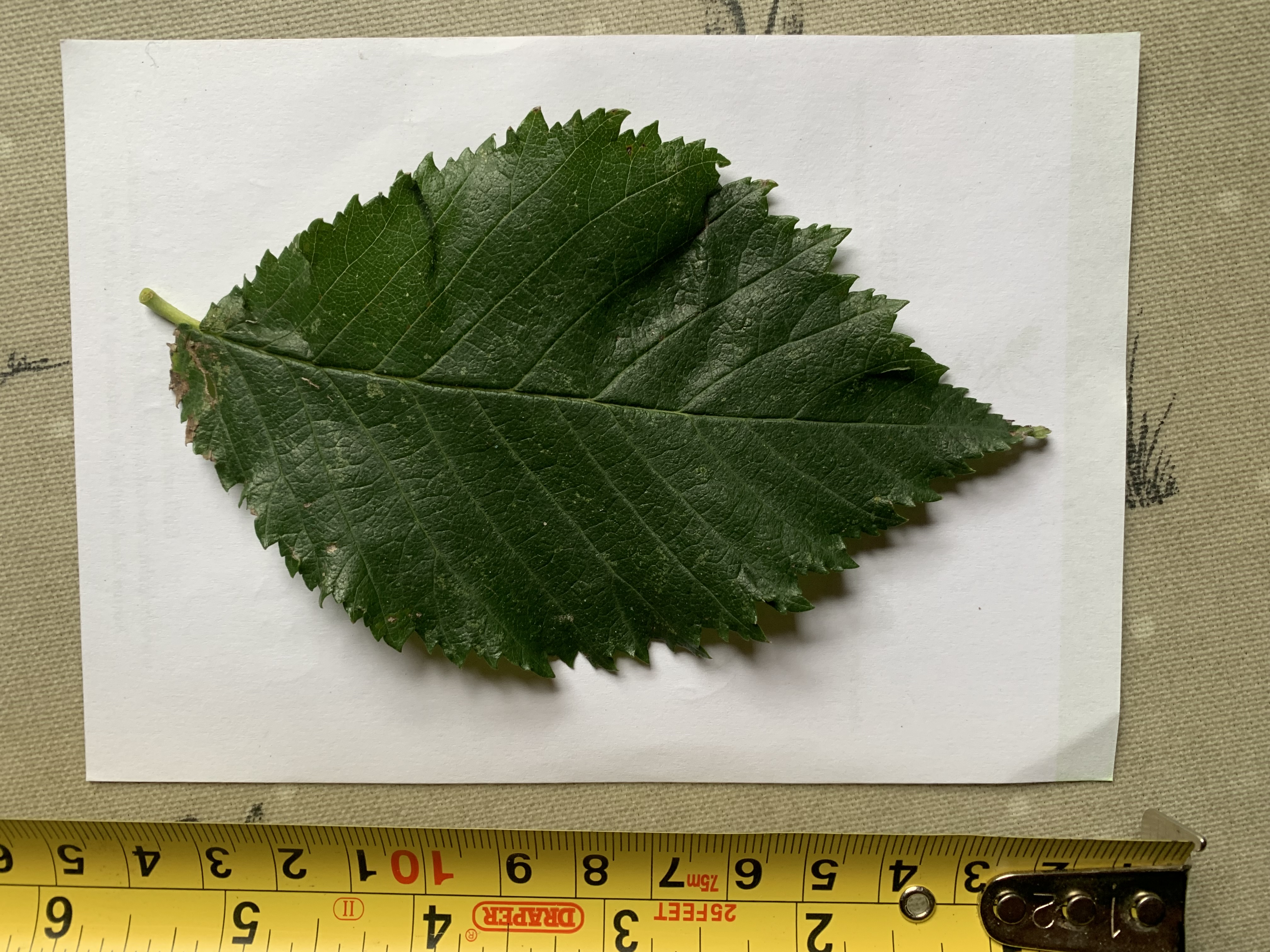
6.13
The dark-green leaves averaging 130mm in length by 76mm width on 8mm petioles, Upper side rough to the touch.
Budburst; average
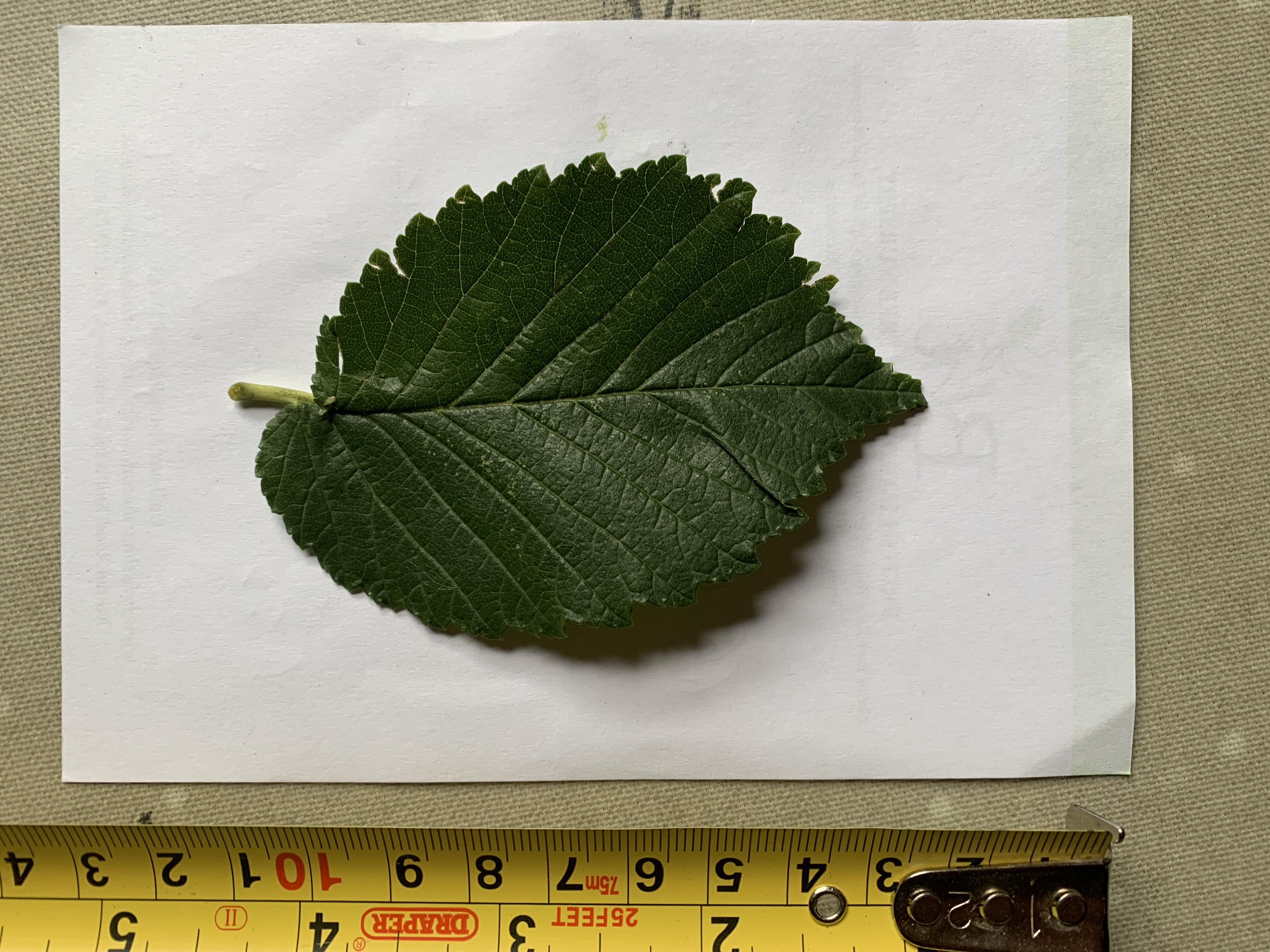
6.21
The mid–green leaves averaging 120mm in length by 76mm width on 15mm petioles, Upper side rough to the touch.
Budburst; average
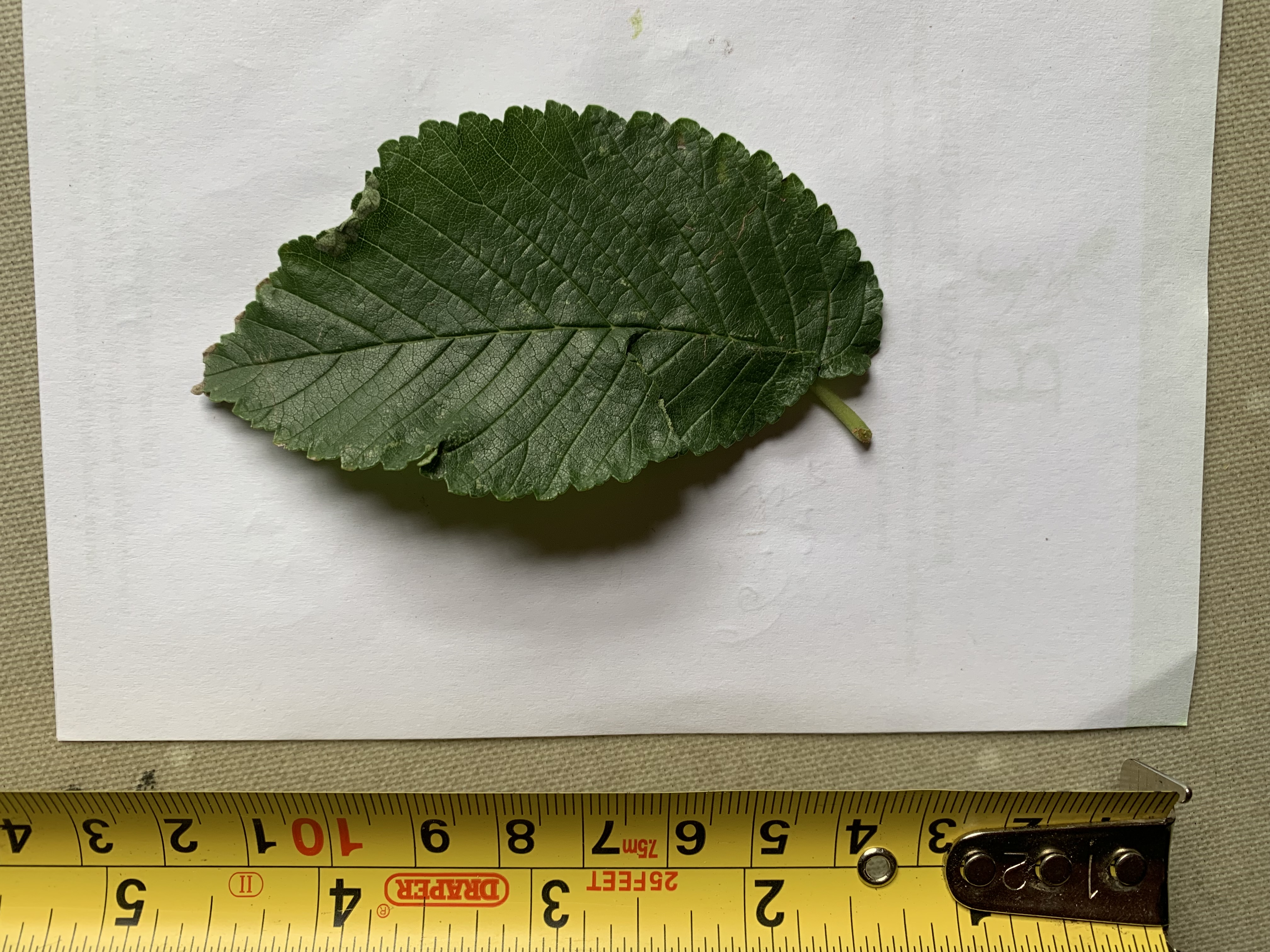
6.22
The mid–green leaves averaging 90mm in length by 62 mm width on 12mm petioles, Upper side rough to the touch.
Budburst; late
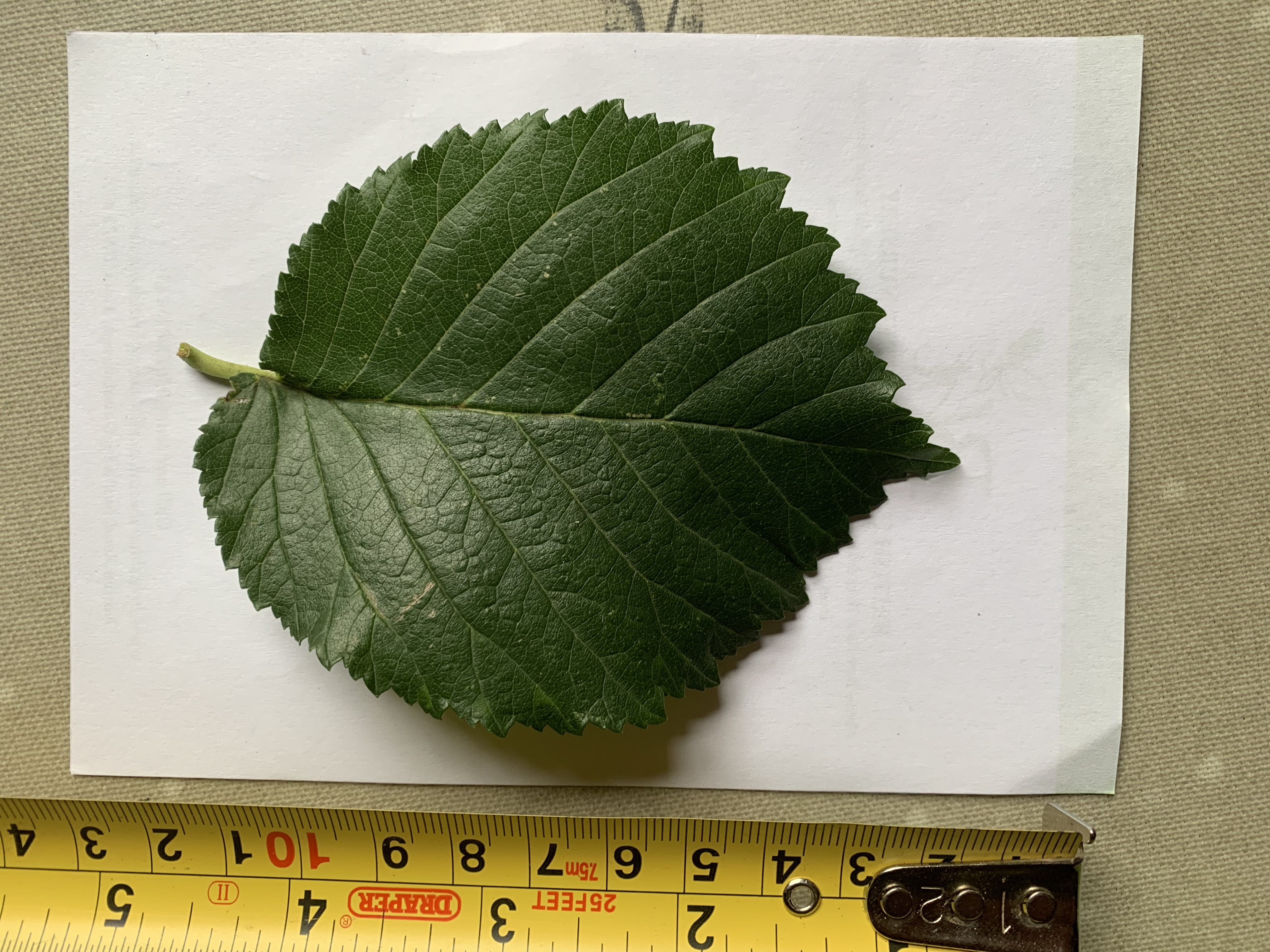
6.23
The mid–green leaves averaging 105mm in length by 63mm width on 9mm petioles, Upper side rough to the touch.
Budburst; average
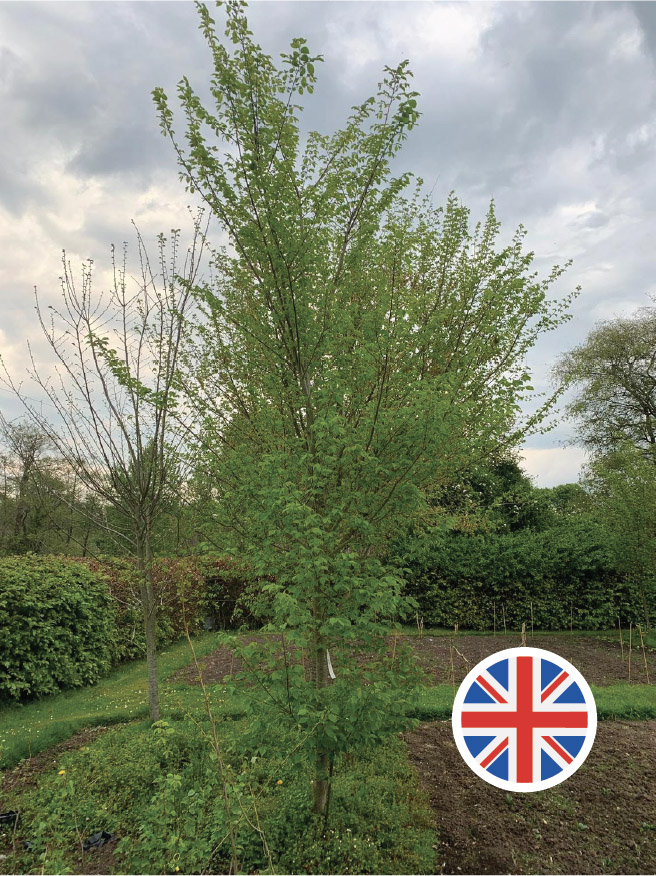
Herling elm 6.23. Grafted onto wych elm rootstock.
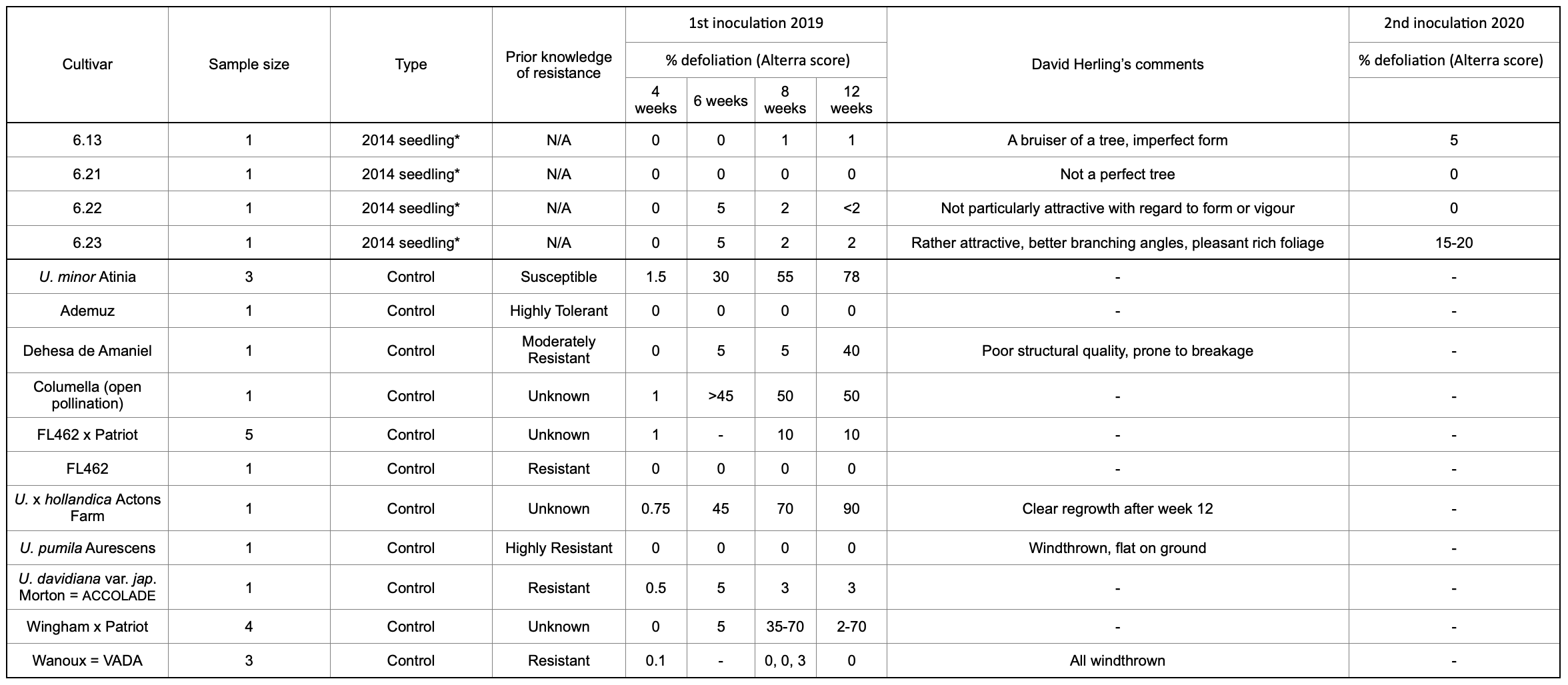 *Wingham male parent, Tonge Mill. Female parent